Font Generator-Customize Your Text From Cool To Cursive!
✒️ Cursive Fonts
Copy, Paste, Stand Out!
Font design is now fully accessible. An online tool taking normal text and outputting stylish, decorative results using Unicode characters — from Gothic to cursive — gives everyday users across websites and social media real creative power.
Unlike installable font files, a copy-and-paste platform needs zero software. Crafting Instagram bios, Discord nicknames, or TikTok captions simply means picking from fancy styles — bold, small caps, glitch text, cool symbols, emojis — using any apps.
What Is a Font Generator?
A font generator is a free web tool that converts plain text into eye-catching fancy font combinations. From calligraphy to cursive style, it serves social media bios, logos, and messaging without any time-consuming manual design.
Unlike a fonts library, this text generator runs in seconds via any browser, offering 200+ different fonts instantly. Simply type into a text box, copy styled characters, and paste to Facebook, Instagram, Twitter, or chats.
How to Use the Font Generator
Type your text into the text box, then scroll through 20 unique styles on screen. The font gen tool reveals generated text live. Click any option and copy it directly to your clipboard within seconds.
Search categories or select a specific font category directly. Customize spacing and size for a personalized look, then paste into design programs. Install via download for Unicode compatibility on any device with full English support.
Font Styles Available
Font styles within any font generator range beyond bold font and italic, covering calligraphy, cursive style, and glitchy variations. These unique fonts transform boring text into eye-catching content that strengthens your social media bio instantly.
From ASCII art to Bubble fonts, each font style carries its own vibe and mood. Whether crafting headlines, bios, or gaming profiles, the right typefaces help grab attention across platforms like TikTok, Discord, and Instagram.
Where Can You Use It
From social media to gaming platforms like Steam, Minecraft, and Agario, font generators serve countless environments. Whether crafting a gamer tag, designing Instagram story headers, or writing captions for Twitter/X, styled text fits every corner.
Logos, brochures, posters, and ads are just some outputs this tool enhances. The education sector, Etsy sellers, Creative Market shops, and online store owners consistently leverage styled text for school posters, documents, and digital goods.
What Is Unicode
Most people encounter Unicode without realizing it. Every time you use electronic devices to send messages, the unicode standard governs how characters appear — from letters of the Latin alphabet to special characters and math symbols.
Unicode functions as the international standard — a true universal standard for displaying text across browsers, applications, and devices worldwide. It covers alphabets, numbers, punctuation marks, arrows, and countless characters, each assigned a unique code point.
How Unicode Works
A Unicode text converter maps fancy symbols and regular text directly to code points. This specification enables fancy fonts and visual interpretations across widely supported systems, making fancy letter styles render consistently on any device.
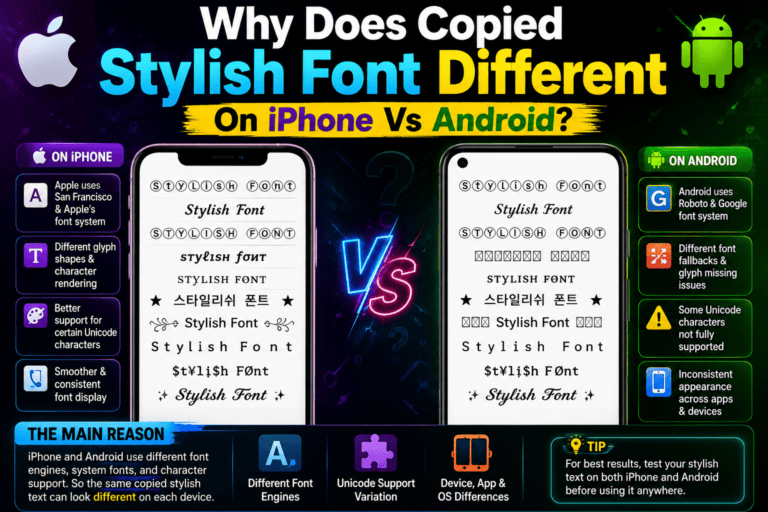
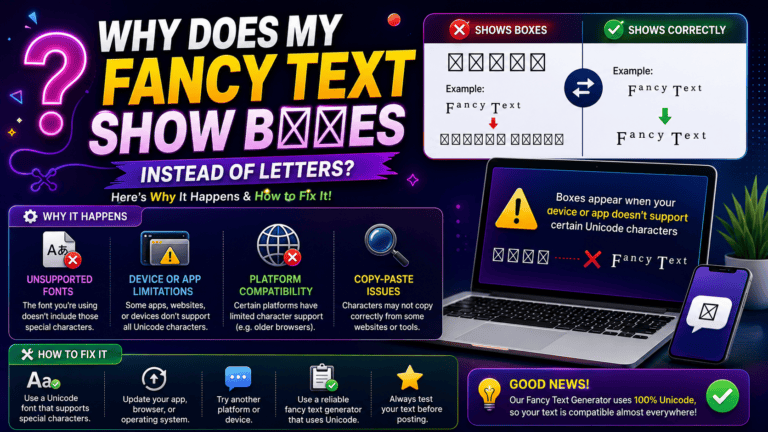
When you copy and paste styled text, you’re transferring Unicode characters — not a real actual font. The translator reassigns glyphs visually, letting unicode font styles work on older devices and appear in any display context.
AI-Powered Font Generation — TTF Download & Commercial License
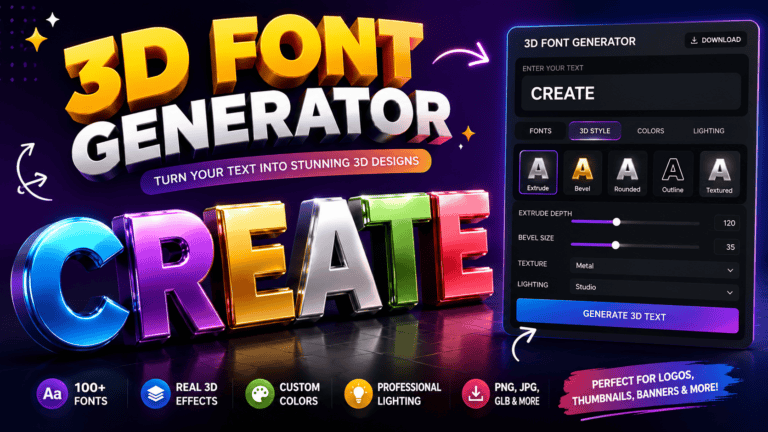
Most designers overlook that AI-driven font engines don’t just style text — they generate installable fonts in TTF format, ready to import directly into Photoshop or Illustrator, bypassing font libraries with custom fonts built per session.
Unlike personal use licenses, the flexible commercial license here unlocks major design projects — from wedding invites to banners and flyers. Registered users can confidently sell physical goods, shirts, or crafts under one Commercial Use subscription.
Text to Image Fonts vs. Copy and Paste Fonts
Text to image fonts produce visual elements ideal for printed projects and digital designs, whereas copy and paste fonts rely on Unicode symbols, enabling pasting into chat messages, documents, and social profiles without software dependency.
Copy and paste fonts offer accessibility across electronic devices and browser platforms, while text to image fonts, built on advanced generative models, deliver high-quality fonts with consistent style, requiring export before use in design programs.
Favorites & Recent Tab Feature
We often waste time when we scroll through endless lists. Efficiency demands immediate access, meaning tracking your cool fonts happens dynamically. This workflow shift reduces cognitive load during design processes, saving valuable interactive clicks daily.
Selecting an option like Add to favorites creates a psychological anchor for creative projects. Simultaneously, checking the Recent tab uncovers patterns in historical usage, cementing your favorite fonts within your unique personal aesthetic signature style.
Desktop Fonts vs. Web Fonts
Digital asset architecture splits execution environments. Local machines render desktop fonts via vector geometry calculations. Conversely, standard modern typography integration online relies on CSS declarations fetching files dynamically, ensuring text behaves adaptively across various viewports.
Operating systems like a Mac or Microsoft PC load local assets. Conversely, optimization for online layouts demands dynamic web fonts rather than fixed .ttf format files, shifting how modern rendering engines parse screen vector details.
ASCII / Text Art
My corporate aesthetic felt completely dead until I discovered structural digital art. Embedding raw ASCII code blocks inside emails injected unhinged personality into dry corporate reports, transforming basic typography into an unexpectedly Text Art masterpiece.
Clients frequently demand trend-forward interfaces, yet retro grids outshine modern graphics. I utilize complex symbols to build rustic, layout-driven headers for modern websites, proving that old-school fancy arrangements offer a uniquely cool user interaction paradigm.
Frequently Asked Questions ( FAQs )
What is a Font Generator?
My design agency treats this application as an industry standard asset. Beyond Figma layouts or creative posts, this live converter transforms a regular letter instantly, bypassing the tedious protocol of managing all traditional downloadable fonts.
How Does the Font Generator Work?
Behind the screen, a modern font gen tool bypasses standard rendering by dynamically shifting inputs into distinct map coordinates. This architecture scales Unicode compatibility effortlessly, ensuring your system outputs perfectly structured visual interpretations across platforms.
Are You Copying and Pasting an Actual Font?
My technical experience proves you are not shifting true files. Instead, copied text relies on the unicode standard, swapping plain characters for stylized symbols. The system renders these online instantly without any actual font import.
Why Should I Use This Font Generator?
As a designer, I constantly struggle to emphasize key messages. This tool offers a unique edge when formatting social posts, immediately capturing user attention across a crowded digital world by elevating your brand visual aesthetics.
Are the Fonts Free to Use?
In my experience, web platforms offering free digital typography frequently disguise compliance traps. Utilizing unverified custom fonts inside commercial designs risks litigation unless you secure a valid commercial license beforehand. Always validate licensing protocols early.