
Russian Font Generator
Create stylish Russian and Cyrillic text with beautiful font styles, colors, spacing and effects.
A Russian font generator is an online tool that creates Cyrillic letters and Unicode text with varied font styles. From my testing, copy and paste output makes experimentation quick for profiles, designs, and creative projects.
Despite the name, many generators produce Cyrillic-style lettering rather than authentic typefaces. A useful text converter can offer 30+ styles, real-time preview, and flexible download options, helping creators test readable results before publishing across platforms.
Table of Contents
What Is A Russian Font Generator?
A Russian font generator reshapes ordinary text into decorative Cyrillic lettering for posters and digital art. It can mimic Soviet-inspired aesthetics while retaining selectable Unicode characters that remain easy to copy, paste, and share anywhere.
In practice, I treat these as style translators, not language converters; they combine Russian fonts, Cyrillic symbols, and choices. Some outputs use plain Unicode, while outputs depend on hosted fonts, so results vary across platforms.
Also Read: Roman Numeral Font Generator
How To Use / How It Works
To use the generator, type your phrase and watch live previews appear through real-time generation in the browser. The tool creates a Cyrillic-inspired style, letting you copy-and-paste the result without installing font files first today.
From my testing, the practical workflow is preview, refine, then export through download or image output. Because platforms render Unicode differently, test the finished text on your actual platform before publishing or sharing online.
Why Use / Features / Benefits
Russian font generators add a distinctive visual layer without requiring installation. I often use them for digital content, captions, usernames, and headers when ordinary lettering fails to stand out, creating immediate attention for readers quickly.
Beyond appearance, gains include professional presentation, stronger interaction, engagement, and flexible styles. For gaming profile identities, unique identity and username choices from a fancy text generator help create memorable names, while preview keeps results readable.
Also Read: Chinese Font Generator
Social Media
On social platforms, I often use stylish Cyrillic-style text for profiles, captions, and comments because Unicode-based designs add personality without requiring a font file or complex editing. A copy button keeps publishing quick during posting.
For branding experiments, I compare Instagram, Facebook, Twitter, TikTok, WhatsApp, and Telegram before posting, since each platform may handle decorative Unicode styles differently. live previews help me check readability before sharing to a broad audience.
Gaming
For gaming, a Russian font generator can turn ordinary nicknames into distinctive profiles using Unicode, special characters, and Cyrillic-inspired styling. I find these combinations especially useful when players want recognizable names without installing extra software.
On Discord and modern game communities, live previews help players test readability before sharing. Mobile users benefit from no installation, while copy image options suit banners, thumbnails, team posts where styled text needs visual consistency.
Also Read: Arabic Font Generator
Digital Content
Digital content benefits when Russian-inspired styling remains practical: online keyboard input, live previews, and Unicode characters let creators test headings before exporting PNG graphics or an SVG asset for websites and social posts across platforms.
I usually recommend checking Cyrillic script display in modern apps after styling, because character filtering can alter results. Saving a font file or downloadable images also keeps digital assets consistent across editors and devices reliably.
Font Preview & Download
A preview should expose Fraktur, Bold, Italic, Script, Monospace, and Fullwidth choices. I inspect combining marks, Circled letters, reversed output, and flipped forms, because distorted text can render differently when copied between browsers or tools.
For delivery, choose Sans-Serif, then download the result as an image download or preserve font files when available. I test short text, headlines, logos, SVG, PNG, and tattoos on mobile, browser, and desktop screens first.
Copy & Paste Font Styles
These font styles become practical when an input box lets you enter text and compare instant previews before copying. I usually test 30+ styles, then use one-click copy for readable gaming names and paste anywhere.
For social profiles, I favor simple variants over crowded decoration: Twitter, Instagram, TikTok, and Facebook may display characters differently. Feeds can look polished, while comments and a bio remain easier to scan consistently everywhere.
Tips For Best Results
Start by comparing a few display fonts on the same phrase, then inspect spacing, punctuation, and letter shapes before choosing. I usually test first across browsers and creative projects because rendered characters can change visually.
For social posts or game profiles, keep a readable primary style and reserve decorative variants for emphasis. Check Copy Input, one-click copy, and no watermarks before sharing, especially when preparing clan name text online today.
Also Read: Greek Font Generator
Russian Font Generator For Tattoos, Logos And Posters
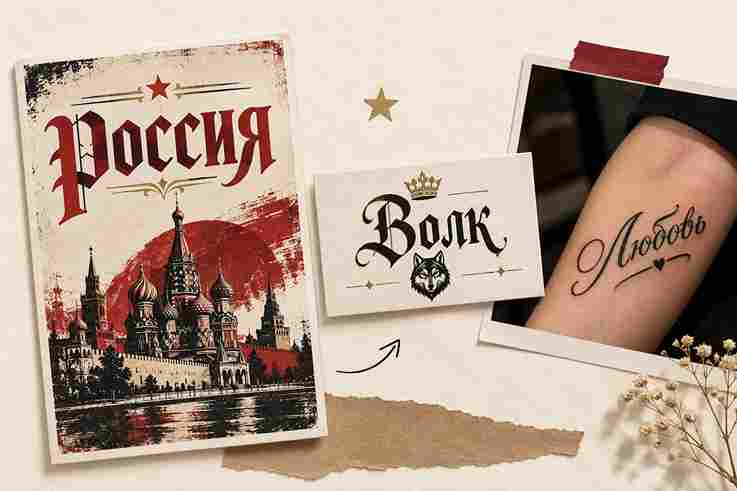
Designers often treat Russian-inspired lettering as a visual system rather than a literal language choice. For tattoos, gothic details can create sharper identity, especially when combined with the Cyrillic alphabet thoughtfully and respectfully by design.
For logos and posters, I usually compare several outputs at working size before selecting one. Script can feel expressive, while high-contrast forms suit print and a custom font can keep projects visually consistent across applications.
Custom Rules & Tips
For custom rules, I usually keep substitutions clear, especially when switching between Latin and Cyrillic-inspired styling. Test unusual characters in small doses, because dense decoration can reduce readability across profiles, browsers, and devices before publishing.
When setting a personal rule, compare the rendered result with your original text before saving. Check bios, commercial use, and font license requirements separately, since an effect may look harmless while permissions remain different platforms.
Old Russian Characters
Old Russian writing often feels unfamiliar because pre-1918 letters belonged to an older Cyrillic alphabet tradition shaped by Russian history. A generator can recreate that atmosphere while preserving readable Unicode characters for keyboards and browsers.
In practical testing, I pay attention to ё, ъ, and ь, since historical-looking text may preserve familiar forms while decorative systems imitate older Slavic lettering. stress marks can further suggest period-specific pronunciation or editorial styling.
Transcription Note
A transcription note clarifies whether a generated Russian-looking result represents genuine Cyrillic writing or merely a substitution. In my testing, checking the Cyrillic alphabet and character sequence prevents misleading output for accurate publication online today.
For transliteration work, I keep a Cyrillic-Latin converter nearby, then compare results against a Russian dictionary when spelling matters. This extra verification catches visual lookalikes, inconsistent mappings, and pronunciation assumptions before sharing with readers worldwide.
Related Links
Related links help readers explore Russian fonts through historical letters and transcription, while connected resources cover stylish branding, practical compatible formats, and broader documents without interrupting the design workflow or creative process.
I usually connect readers with pages covering custom JavaScript, regex, commercial licence, and historical characters, because these resources clarify how fonts behave before sharing a design, testing compatibility, or choosing a distinctive look online today.
Conclusion
A practical Russian font generator is most useful when it balances style with accuracy: test Cyrillic-inspired output, compare a hosted font, and verify Word display before publishing across unfamiliar platforms or old systems carefully online.
For polished work, I recommend checking commercial use, licence details, and Russian alphabet references before copying a style. A quick instant preview helps designers work confidently today, while clear substitution rules keep every design consistent.
Is It Free To Use?
Yes, the generator is 100% free, with no sign-up and no limits for everyday use. I find this especially useful when testing styles quickly before copying them into social posts, documents, games, or designs directly.
Can I Use It For Commercial Projects?
Commercial projects often require clear commercial use rights; check the generator’s licence terms before combining real Russian typefaces with logos, posters, paid campaigns, or client documents. My practical rule: verify permissions before publishing to clients.
Where Can I Use It / Will It Work Everywhere?
A Russian font generator can personalize gaming profiles, digital content, logos, and posters, yet it will not work everywhere. Cyrillic rendering depends on device support, while emojis, Google Docs, and email signatures handle styles differently.
How Does It Work?
Generators use input box rules that map English text toward Latin-to-Cyrillic lookalike characters, then show instant previews while you adjust size, colors, or paste text. Some offer custom font controls and shortcuts for faster testing.
Is This A Real Russian Font?
A test is whether the result remains readable without a typeface. Many tools create faux Russian styling rather than a typeface; fake Cyrillic can resemble Slavic languages while being non-Cyrillic styles with a distinct look.
5 thoughts on “Russian Font Generator – Generate Cool Russian Text”